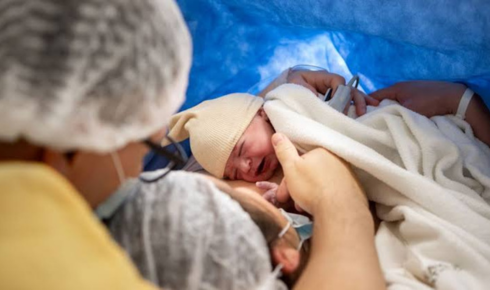
The birth of a child should be a positive and memorable experience. Unfortunately, complications can sometimes result in an injury to the baby, the mother or both. While some complications cannot be predicted or prevented, others may raise concerns about the standard of medical care provided.
When an avoidable injury may have been caused by mistakes or delays in treatment, the family might have grounds to investigate a medical negligence claim.
What Is a Birth Injury?
A birth injury is an injury suffered by a baby or mother during pregnancy, labour, delivery or shortly after birth.
Birth injuries can vary considerably in severity. Some are temporary and require limited treatment, while others can lead to lifelong disabilities and significant care needs. Examples can include:
- Brain injuries caused by a lack of oxygen
- Cerebral palsy
- Erb’s palsy and other nerve injuries
- Injuries caused during an assisted delivery
- Fractures
- Infections that were not diagnosed or treated promptly
- Maternal injuries during childbirth
- Complications caused by delayed treatment
The presence of an injury does not automatically mean that medical negligence occurred. Childbirth can involve unavoidable risks, even when doctors and midwives provide an appropriate standard of care.
When Could a Birth Injury Be Medical Negligence?
Medical negligence generally occurs when the care provided falls below the standard reasonably expected from a competent medical professional and this failure causes avoidable harm. Establishing a claim normally requires evidence of both a breach of duty and a connection between that breach and the injury.
Concerns may arise when there has been:
- A failure to monitor the baby’s heart rate properly
- A delay in recognising foetal distress
- An unreasonable delay in carrying out a caesarean section
- Incorrect use of forceps or a ventouse
- A failure to diagnose or treat an infection
- Poor management of pre-eclampsia or gestational diabetes
- A failure to respond appropriately to abnormal test results
- Medication errors during pregnancy or labour
- Inadequate care following the birth
Each case must be considered individually. A solicitor will usually need to examine the medical records and obtain an opinion from an independent medical expert before determining whether the care was negligent.
What Can Families Do If They Have Concerns?
Parents often know that something went wrong but may not fully understand what happened or whether it could have been prevented. Hospitals should explain serious incidents, but families may still be left with unanswered questions.
It can be helpful to write down a detailed account of what happened as soon as possible. This might include the dates of appointments, conversations with medical professionals, symptoms that were reported and any delays experienced.
Families can also request copies of relevant medical records and raise their concerns through the NHS complaints process. Making a complaint is separate from pursuing compensation, but it may help the family receive an explanation or identify whether an internal investigation has taken place.
Where an incident meets particular clinical criteria, NHS Resolution’s Early Notification Scheme may also investigate whether maternity care could have caused a serious brain injury.
How Can Compensation Help?
A medical negligence claim is not simply about placing a financial value on an injury. In serious birth injury cases, compensation can help ensure that the child and their family have access to suitable support throughout the child’s life.
Depending on the circumstances, compensation may contribute towards:
- Specialist medical treatment
- Rehabilitation and therapy
- Professional care and support
- Mobility equipment
- Educational assistance
- Adaptations to the family home
- Suitable accommodation
- Travel expenses
- Loss of earnings for parents or carers
- Future financial losses and care requirements
The amount of compensation will depend on the nature of the injury, its long-term effects and the level of support the child is expected to need.
Are There Time Limits?
In England and Wales, many medical negligence claims are subject to a three-year limitation period. This will commonly run from the date of the incident or the date the injured person first became aware that negligent treatment may have caused their injury.
Different rules can apply when the injured person is a child or does not have the mental capacity to manage their own legal affairs. For a child, the standard three-year period will not usually begin until their eighteenth birthday.
However, limitation rules can be complicated, so families should not delay seeking advice simply because they believe they have plenty of time.
Choosing the Right Legal Support
Birth injury claims can be medically and legally complex. They often require extensive medical evidence, independent expert opinions and a detailed assessment of the child’s future needs.
Families should look for a solicitor with specific experience in medical negligence and birth injury cases. A specialist can assess the available evidence, explain the funding options and manage communication with the hospital or NHS Resolution.
For families in South Yorkshire, Howells Solicitors is a Sheffield-based law firm with a specialist medical negligence team that advises individuals and families affected by birth injuries and other forms of negligent medical care.
Seeking Answers and Support
No legal action can undo the effects of a serious birth injury. However, investigating what happened can provide families with important answers and help them secure the practical and financial support they may need in the future.
Anyone who believes that poor medical care may have caused an injury during pregnancy or childbirth should consider obtaining specialist legal advice. An initial assessment can help establish whether further investigation is appropriate and what steps may be available.
This article is provided for general information only and does not constitute legal advice.